Welcome








Fracwave Research Group brings years of industry experience into academia delivering partical solutions.
Our mission is to pioneer upstream subsurface energy by advancing transformative technologies through three flagship projects: Wavelet Transform, Pulsed Power Plasma Stimulation (PPPS), and Enhanced Geothermal Systems (EGS).
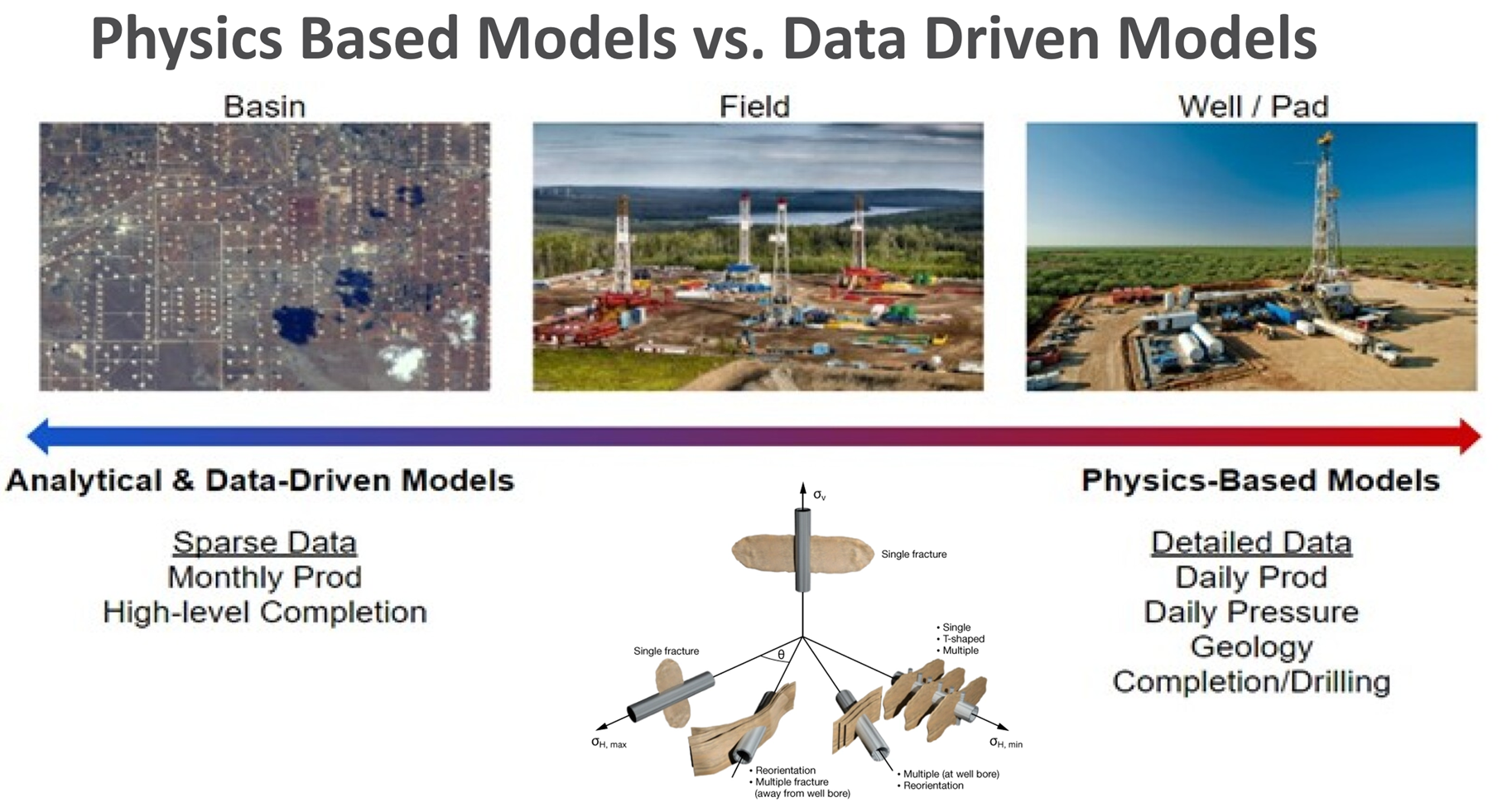
Introduction Unconventional reservoir productivity is governed by a complex interaction of geomechanical, geological, and operational factors. Among these, the orientation of horizontal wells relative to the in-situ stress field plays a decisive role in controlling hydraulic fracture propagation, fracture conductivity, and ultimately hydrocarbon recovery. Modern shale developments increasingly rely on stress characterization to optimize well trajectories and stimulation design. The study titled “Impact of Relative Stress Magnitudes and Well Orientation on Well Productivity Across Major U.S. Shale Plays: A Regional Data Analysis Study” evaluates this relationship using a large-scale, data-driven approach integrating geomechanical stress mapping with production performance across North ...
Enhanced Geothermal Systems (EGS) are widely recognized as one of the most promising pathways toward scalable, baseload renewable energy. Yet, their deployment has long been constrained by subsurface uncertainty, fracture controllability, and induced seismicity concerns. In a newly published comprehensive review, Amr Ramadan and Fracwave research team at the University of Houston, in collaboration with the University of Utah, present the most detailed field-scale synthesis to date of the Utah Frontier Observatory for Research in Geothermal Energy (FORGE)—the world’s leading dedicated EGS field laboratory . This paper marks Part 1 of a two-part review series, capturing nearly a decade of ...
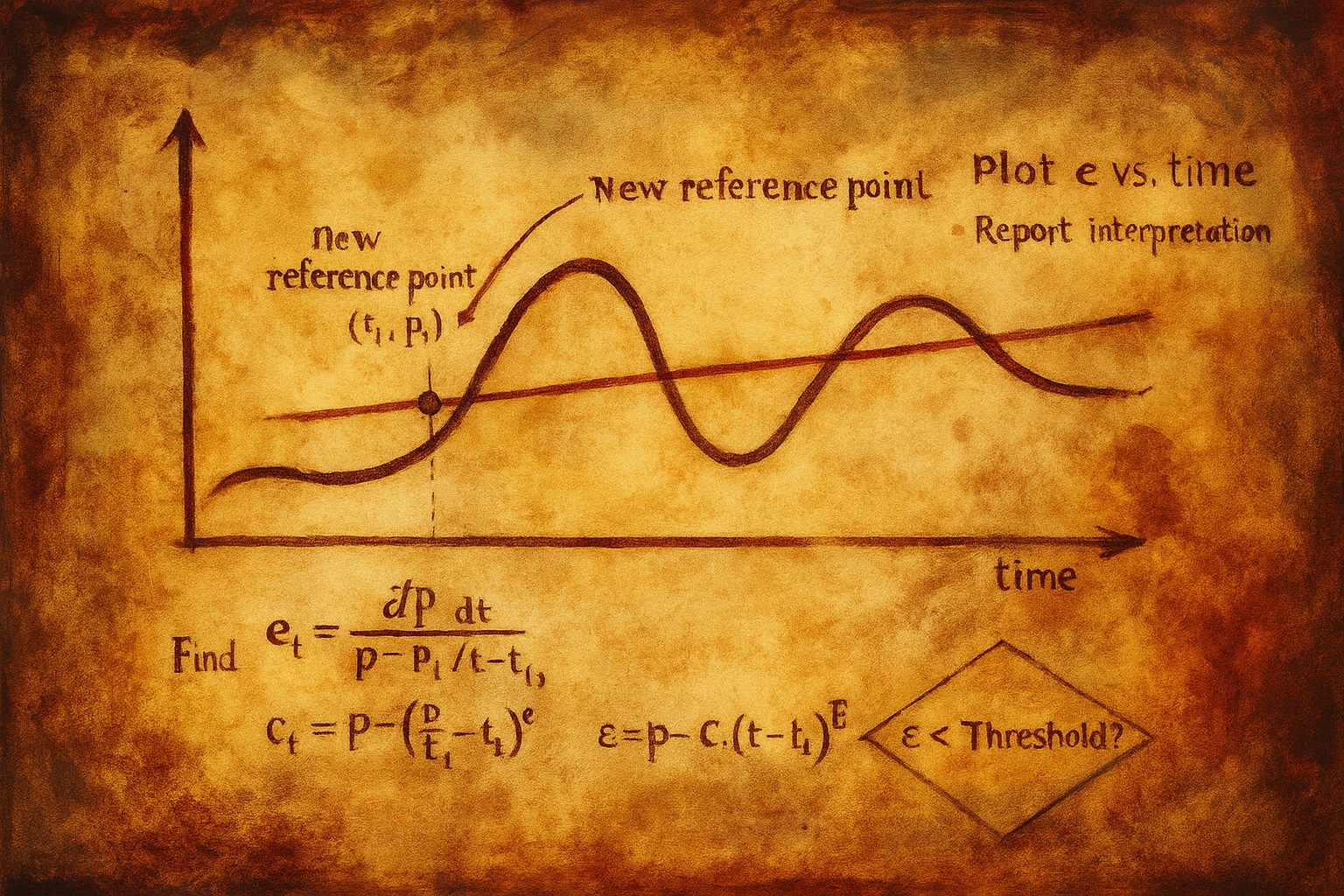
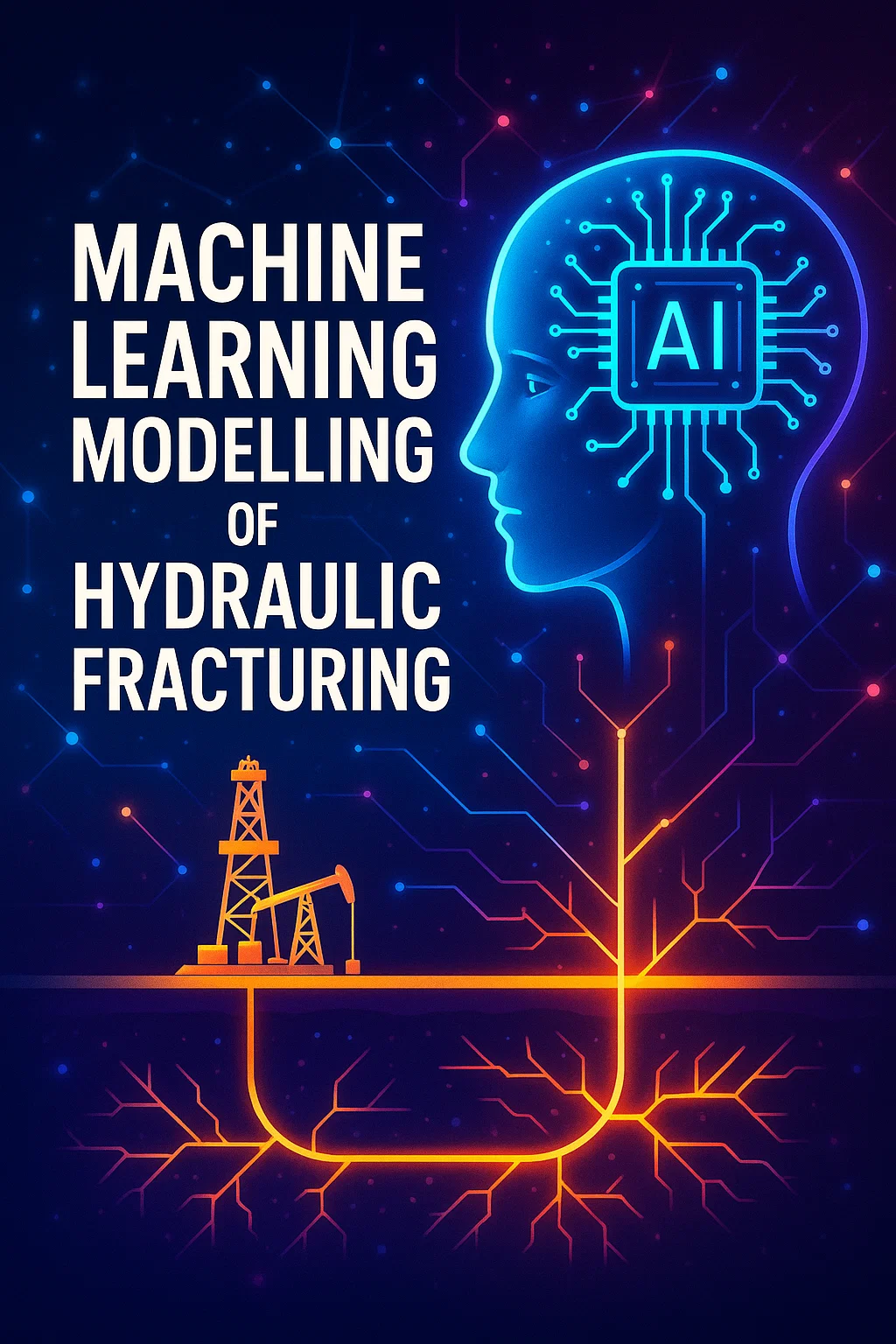
Hydraulic fracturing has long relied on microseismic monitoring, tracers, and fiber optics to infer fracture geometry and complexity. Yet every stage of every well already contains a widely overlooked signal: the pressure oscillations that occur at pump shutdown, known as water hammer (WH). In our recent SPE Journal publication (SPE-225459), we introduced a novel technique that transforms this free but underestimated signal into a powerful diagnostic tool. By treating water hammer as a damped harmonic oscillator and analyzing its pressure response with the Continuous Wavelet Transform (CWT), we extract damping coefficients that correlate directly with fracture complexity in the reservoir. ...
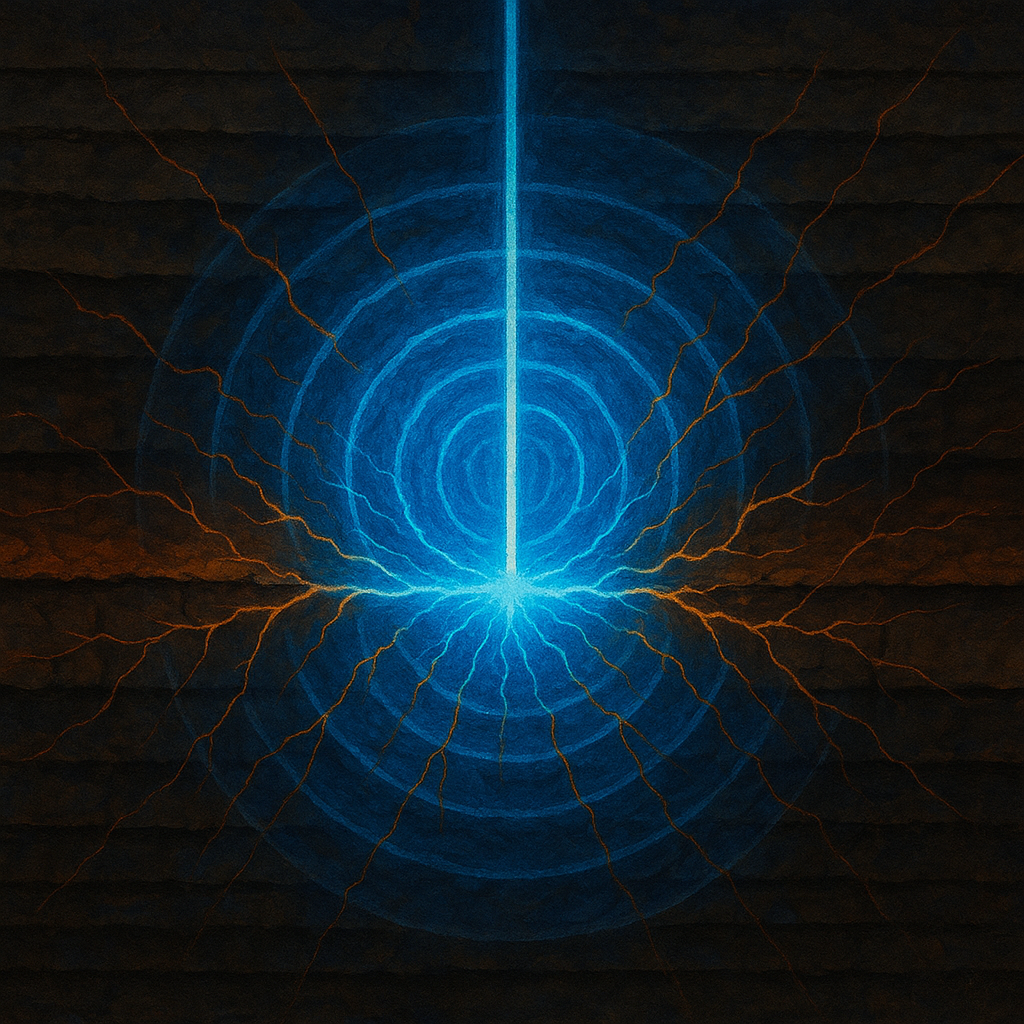
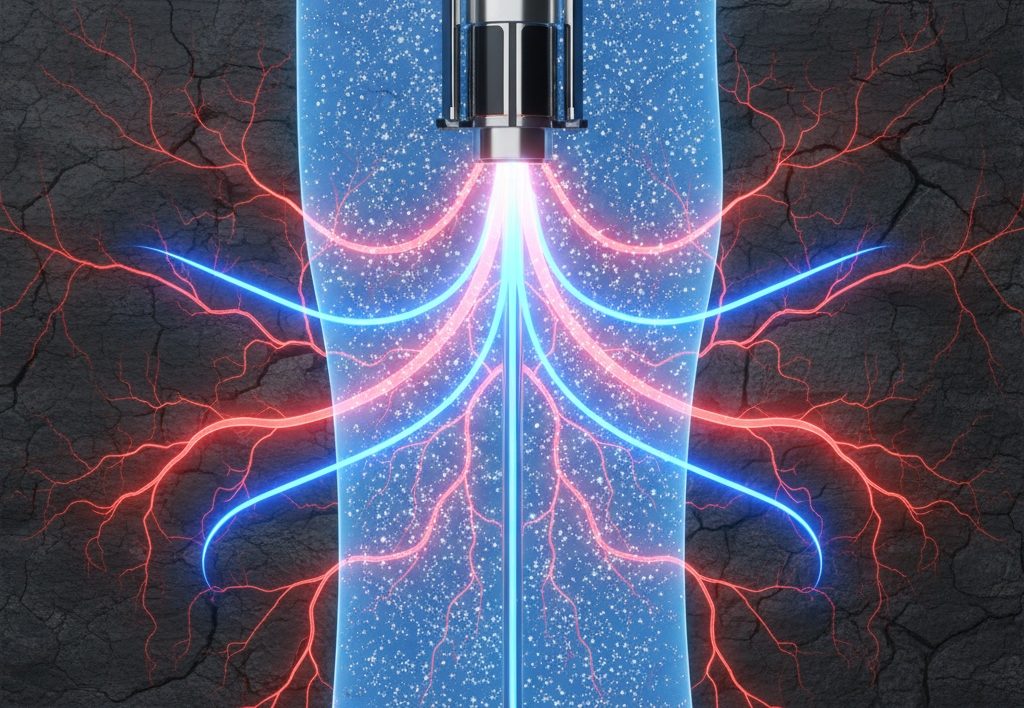
Breakthrough electrified stimulation method delivers fracturing with minimal water and chemical footprint Abstract Introduction: The Stimulation Challenge Current well stimulation technologies face significant operational and environmental limitations that constrain their application across diverse reservoir conditions. The industry urgently needs innovative approaches that can deliver consistent performance while addressing sustainability imperatives and operational challenges. Limitations of Conventional Acidizing Traditional acid stimulation operates within narrow windows of formation compatibility and temperature constraints. The technology proves most effective in carbonate formations but shows limited impact in shales and silicate reservoirs. Critical challenges include: Formation sensitivity restrictions limiting universal applicability. Temperature-dependent reaction kinetics reducing ...

